
Phase I Orthodontics Houston: What Parents Should Know About Early and Later Care
Parents often notice small changes in their child’s smile long before a dentist raises a concern. Teeth may come in crowded. Jaws may not seem to line up. These early signs can create uncertainty about timing and options. Phase I orthodontics in Houston focuses on guiding growth at the right moment, not rushing treatment or delaying care without reason.
This article explains how early orthodontic care differs from later treatment and why timing matters for growing children. We will break down how Phase I and Phase II orthodontic care work, what each phase is designed to address, and how families can make informed decisions based on development, not guesswork.
What Is Phase I Orthodontic Treatment?
Phase I orthodontic treatment focuses on guiding jaw growth and creating space while a child is still developing. It usually begins while some baby teeth are still present. The goal is not to straighten every tooth right away. The goal is to correct problems early that could become more complex later.
This phase often addresses bite issues, crowding, or jaw imbalance during key growth years. Treatment may involve expanders, limited braces, or other appliances designed to support healthy development. By working with growth instead of against it, early care can reduce strain on teeth and jaws as a child grows.
Common goals of Phase I care include improving how the upper and lower jaws fit together, creating room for incoming permanent teeth, and lowering the risk of tooth damage. In many cases, Phase I orthodontic treatment shortens or simplifies future care, even though it does not always remove the need for a second phase.
How Early Orthodontic Treatment Supports Growing Smiles
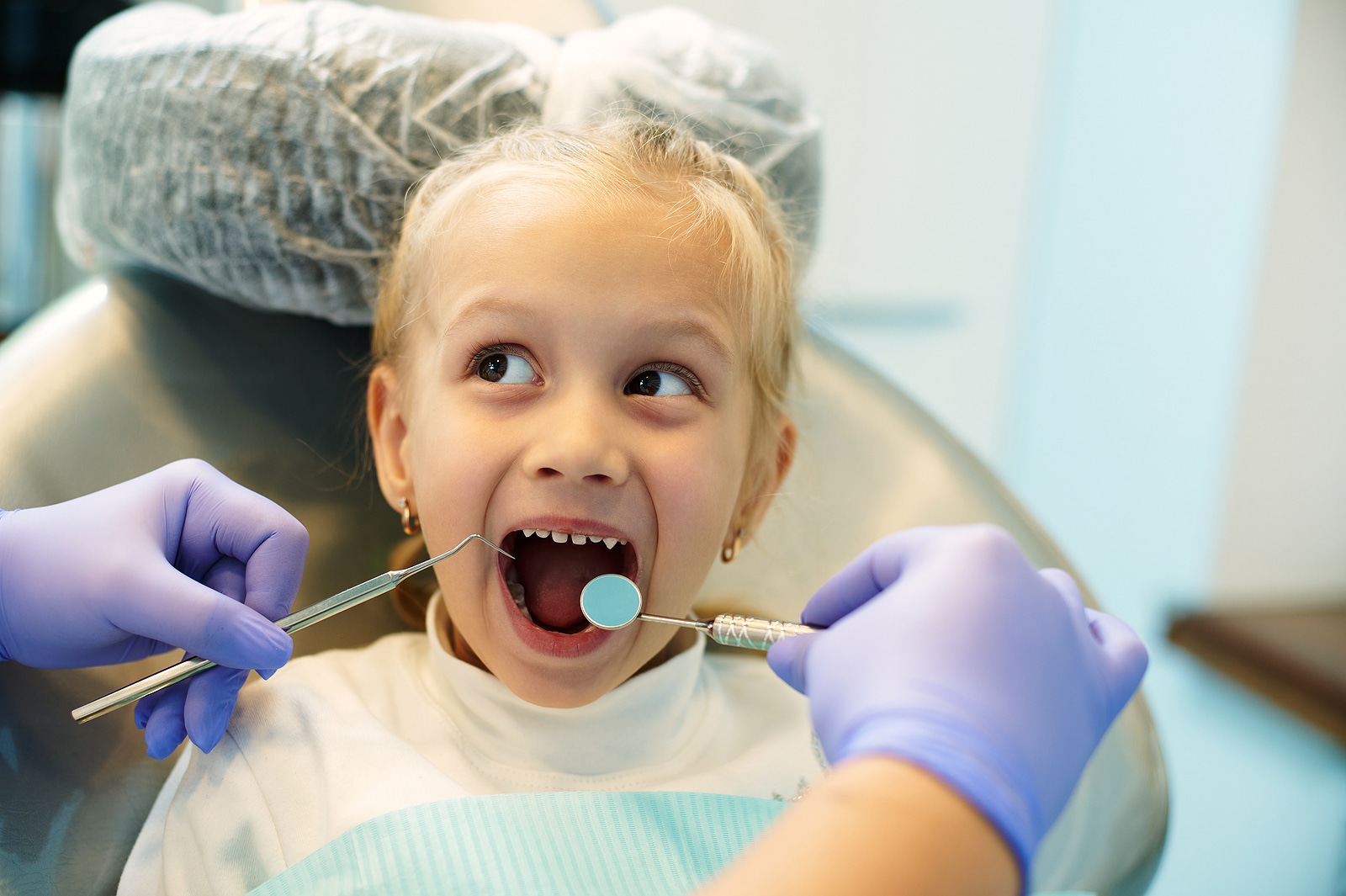
Growth creates a short window for guiding the development of the jaws and teeth together. Addressing problems during this stage can improve balance and function while bones are still forming. Early orthodontic treatment allows providers to work with natural growth patterns instead of correcting issues after they are fully set.
Parents often think early care is only about appearance. In reality, it can improve how the teeth fit together and how the jaws relate to one another. This approach can also lower the risk of uneven wear, crowding, and stress on developing teeth.
Early care is commonly recommended to help with:
- Crowding that limits space for adult teeth
- Crossbites or jaw alignment concerns
- Habits that affect tooth and jaw position
- Guidance for the proper eruption of permanent teeth
Not every child needs early intervention. For those who do, this phase can create a healthier foundation and make later orthodontic care more predictable.
What Happens During Phase II Orthodontic Treatment?
Phase II orthodontic treatment focuses on moving permanent teeth into their proper positions once most adult teeth have erupted. This phase often takes place during the teen years, though some patients begin later. The goal is full alignment, a stable bite, and long-term function.
Treatment during this phase usually involves braces or clear aligners used across the full smile. Each plan is designed to improve spacing, rotation, and how the upper and lower teeth come together. Appointments focus on steady progress and careful adjustments over time.
Phase II orthodontic treatment builds on the foundation created earlier or starts fresh for patients who did not need early care. By this stage, jaw growth has slowed, so treatment emphasizes precision and finishing details that support comfort and lasting results.
When Kids’ Braces Are Part of a Two-Phase Plan
For some children, braces become part of a longer treatment path that begins earlier and continues later. Kids’ braces may be recommended after early care has guided jaw growth and created space. This approach allows orthodontic work to be built step by step instead of correcting everything at once.
A two-phase orthodontic treatment plan does not mean twice the work for no reason. It means timing each stage to match development. Early care handles growth-related concerns. Later care focuses on alignment and bite stability once permanent teeth are in place.
Signs a child may benefit from braces later on include:
- Crowding as adult teeth erupt
- Spacing issues that affect bite balance
- Teeth that shift after early appliances are removed
- Bite problems that need full correction
This structured approach can make later treatment more efficient and predictable, especially for children with complex growth patterns.
Do All Children Need Both Phases of Orthodontic Care?
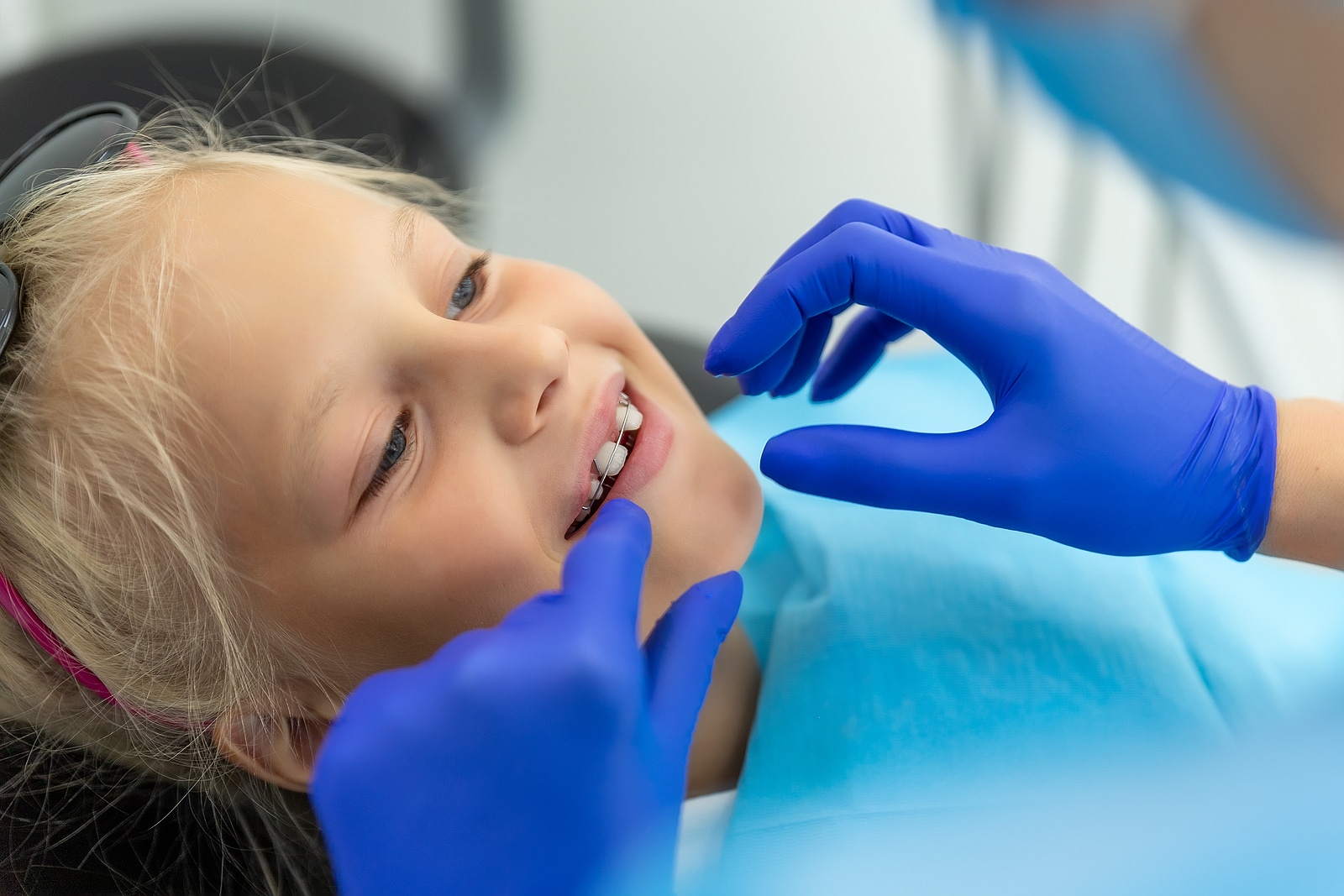
Not every child needs treatment in two stages. Some benefit from early guidance, while others do better with observation and later correction. The right path depends on growth patterns, spacing, and how the jaws develop over time.
Families often ask if skipping early care causes problems later. In many cases, careful monitoring is enough. Regular evaluations allow concerns to be addressed at the right time without starting treatment too soon. Phase I orthodontics in Houston is recommended only when early action can prevent more complex issues as a child grows.
The goal is never to add treatment without purpose. Orthodontic planning is about timing care to support healthy development and long-term stability, not applying the same approach to every patient.
Common Questions About Phase I and Phase II Orthodontics
At what age should a child first see an orthodontist?
Most children benefit from an evaluation around age seven, even if no treatment is needed yet. This allows growth and tooth development to be monitored over time.
How long does Phase I treatment usually last?
Phase I care often lasts several months to a year, depending on the concern being addressed. The length is based on growth response, not a fixed timeline.
Is there a break between Phase I and Phase II treatment?
Yes, there is often a resting period after early care ends. During this time, teeth and jaws continue to develop while progress is monitored.
Can early treatment prevent the need for tooth removal later?
In some cases, early guidance can create space and reduce the chance of extractions. This depends on jaw size, tooth size, and growth patterns.
What happens if orthodontic issues are left untreated during childhood?
Some problems resolve on their own, while others can become harder to correct with age. Regular checkups help determine when action is needed and when waiting is appropriate.
Learn More About Orthodontic Care at G Orthodontics in Houston
We care deeply about helping families understand orthodontic timing and options. At G Orthodontics, we support children, teens, and adults through every stage of care. Our team works with growth, development, and long-term goals in mind. We serve families across Pearland, West U, Houston, and nearby communities with a focus on clear guidance and personal attention.
We believe orthodontic care should feel supportive and manageable. We offer flexible payment options, insurance support, and bilingual care to help families feel comfortable from the first visit. If you have questions about early evaluations or future treatment planning, we are here to help.
Schedule a free consultation to learn how we can support a healthy, confident smile for you or your child.