
A Complete Guide to Braces and Clear Aligners in Pearland
Choosing orthodontic care is a personal decision that often comes with a mix of excitement, hesitation, and questions about which option truly fits your needs. Whether you’re considering treatment for yourself or your child, understanding how clear aligners compare to braces in Pearland can make the process feel much more manageable.
Orthodontic treatment today is not one-size-fits-all, and knowing your options can help you move forward with confidence.
In this guide, we’ll walk through the different types of braces and clear aligners, how they compare, what treatment typically looks like, and how to decide which approach aligns best with your goals, lifestyle, and long-term smile health.
Types of Braces Explained
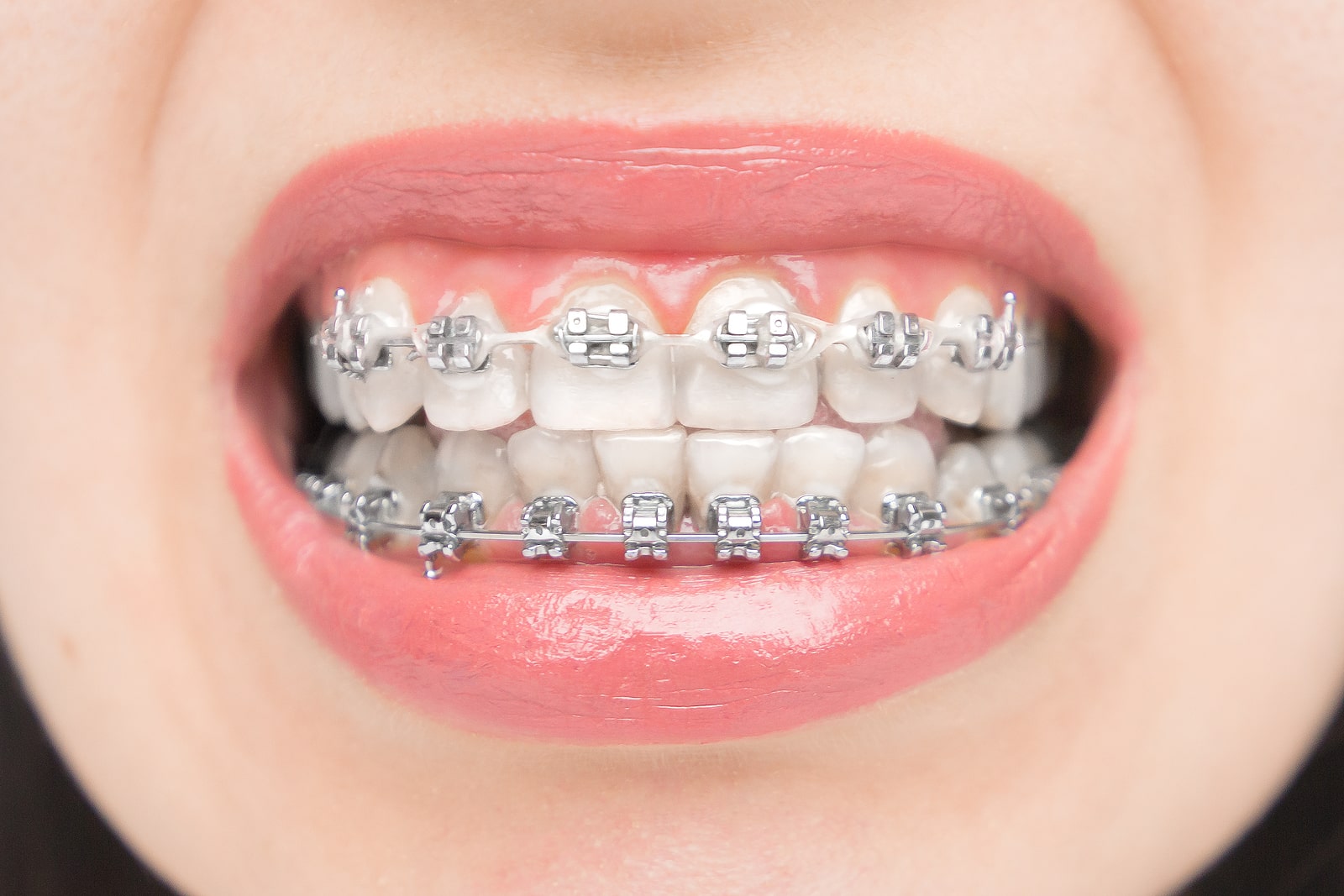
Braces have been used for decades because they are reliable, adaptable, and effective for correcting a wide range of alignment and bite concerns . While many people still picture traditional metal braces, braces today are more refined and customizable than ever, making them a practical option for both teens and adults with different treatment needs.
There are several types of braces available, and each is designed to address specific orthodontic challenges. Common options include traditional metal braces, ceramic braces that blend more naturally with the teeth, and self-ligating systems that use advanced mechanics to reduce friction and improve efficiency. Understanding these types of braces helps patients see why this approach is often recommended for more complex tooth movement.
Braces are especially effective when precise control over tooth positioning is required. Because they work continuously and do not rely on patient compliance in the same way removable options do, they can be an excellent solution for individuals who want a structured, predictable orthodontic experience.
Understanding Clear Aligner Treatment
Clear aligners have become a popular choice for patients who want a more discreet approach to straightening their teeth. These custom-made trays are designed to fit snugly over the teeth and apply gentle, controlled pressure over time. Because they are removable, many patients appreciate the flexibility they offer in daily routines.
One of the biggest advantages of clear aligner treatment is how easily it fits into modern lifestyles. Patients can remove aligners when eating, brushing, or attending special events, which makes maintaining oral hygiene and comfort more manageable. Benefits often include a nearly invisible appearance, fewer in-office adjustments, and smoother edges that reduce irritation.
Clear aligners work best for patients who are comfortable following a wear schedule and staying consistent with their treatment plan. When worn as directed, they can deliver effective results while offering a more subtle orthodontic experience.
How Invisalign Fits Into Modern Orthodontic Care
Invisalign has changed the way many people think about orthodontic treatment by offering a clear, streamlined alternative to traditional braces. This system uses a series of custom aligners that are planned digitally, allowing tooth movement to be mapped out before treatment even begins. For many patients, that level of planning provides reassurance and clarity from the start.
For those considering Invisalign Pearland options, this approach often appeals to adults and teens who want effective results without the visibility of brackets and wires. Invisalign aligners are designed to be worn most of the day while still allowing the freedom to remove them for meals and oral hygiene. This balance of structure and flexibility has made Invisalign a well-established part of modern orthodontic care.
While Invisalign is not the right fit for every case, it plays an important role in expanding treatment options. An orthodontic evaluation helps determine whether Invisalign or another approach will provide the most predictable and lasting outcome.
Braces vs Clear Aligners: Which Is Right for You?
Both braces and clear aligners are effective tools for improving alignment, but they work in different ways and suit different preferences. The right choice often depends on factors such as the complexity of the case, daily habits, and how much structure or flexibility someone wants during treatment.
When comparing braces vs clear aligners, it helps to look at a few practical differences that tend to matter most to patients:
- Appearance and visibility during daily interactions
- Removability and ease of eating or brushing
- Level of responsibility required to stay on track
- Ability to handle more complex tooth or bite movements
There is no universal “better” option, only what works best for each individual situation. A professional orthodontic assessment is the most reliable way to determine which approach will deliver the healthiest and most stable results over time.
What to Expect During Orthodontic Treatment
Orthodontic treatment follows a structured process designed to create steady, comfortable progress rather than rushed changes. It begins with a consultation and detailed evaluation, where your orthodontist reviews your bite, alignment, and overall oral health before recommending a personalized plan.
Once treatment starts, adjustments or aligner changes are scheduled at regular intervals to guide your teeth into their correct positions. Appointments are typically simple, and each visit builds on the progress made since the last one. Whether you’re using braces or aligners, consistency and follow-through play an important role in keeping treatment on schedule.
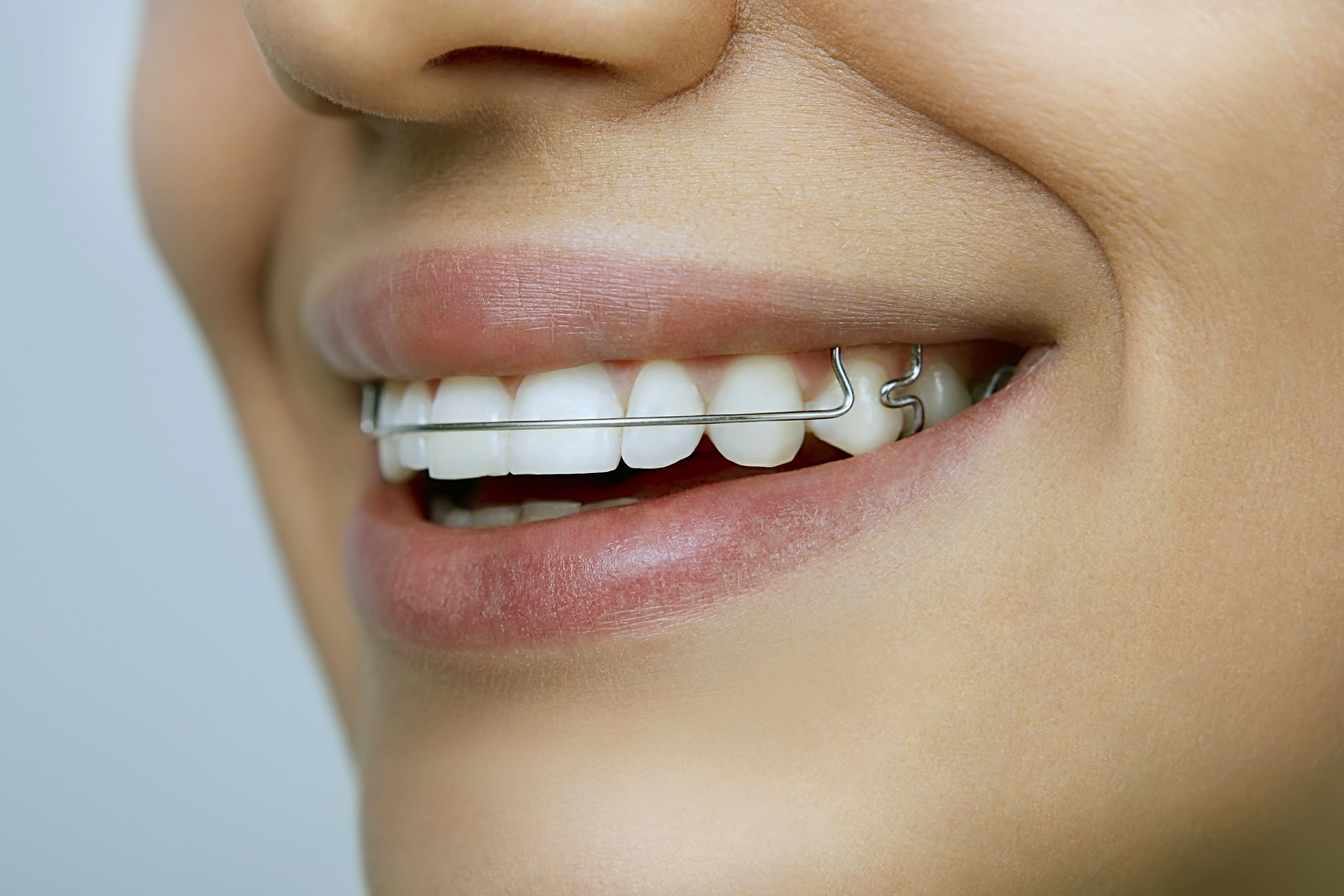
After active treatment is complete, retainers help protect the results you’ve worked toward. This final phase of orthodontic treatment ensures your teeth remain stable and aligned, supporting a healthy, confident smile for years to come.
Frequently Asked Questions About Braces and Aligners
How long does orthodontic treatment usually take?
Treatment varies length based on the complexity of the case and the type of appliance used. Most patients can expect treatment to last anywhere from several months to a couple of years.
Are clear aligners painful to wear?
Clear aligners may cause mild pressure or soreness when switching to a new set, especially in the first few days. This sensation is normal and typically fades as your teeth adjust.
Can teens and adults both use clear aligners?
Yes, clear aligners are commonly used by both teens and adults when the case is appropriate. An orthodontic evaluation is needed to confirm whether aligners are a good fit.
Will I need to change my diet with braces or aligners?
Braces may require avoiding very hard or sticky foods, while aligners allow more flexibility since they are removable. In both cases, good oral hygiene remains essential throughout treatment.
Orthodontic Care with G Orthodontics in Pearland
At G Orthodontics , we believe orthodontic care should feel personal, supportive, and tailored to the individual sitting in the chair. We take the time to understand your goals, answer your questions, and guide you through treatment options that truly make sense for your lifestyle. From braces to clear aligners and Invisalign, our focus is on delivering thoughtful care that leads to confident, lasting results for kids, teens, and adults throughout Pearland and nearby communities.
We also understand that convenience and affordability matter just as much as outcomes. Our team works closely with patients to offer flexible payment options, accept most insurance plans, and provide bilingual care in a welcoming environment.
If you’re exploring orthodontic treatment and want clear guidance without pressure, we invite you to book a free consultation and take the next step toward a smile you feel good about.