
Finishing braces feels like a milestone. The hard work is done, and your smile finally looks the way you hoped it would. What many people do not expect is how easy it can be for teeth to move again without the right follow-up care. That is why retainers after braces in Pearland play such an important role in protecting the results patients work so hard to achieve.
Retainers help hold teeth in their correct positions while the mouth adjusts after orthodontic treatment. They support long-term stability, protect teeth alignment, and reduce the risk of unwanted changes over time. This article explains how orthodontic retainers work, why consistent wear matters, and what patients should know to keep their smile looking the same years after braces come off.
Why Teeth Alignment Can Change After Braces
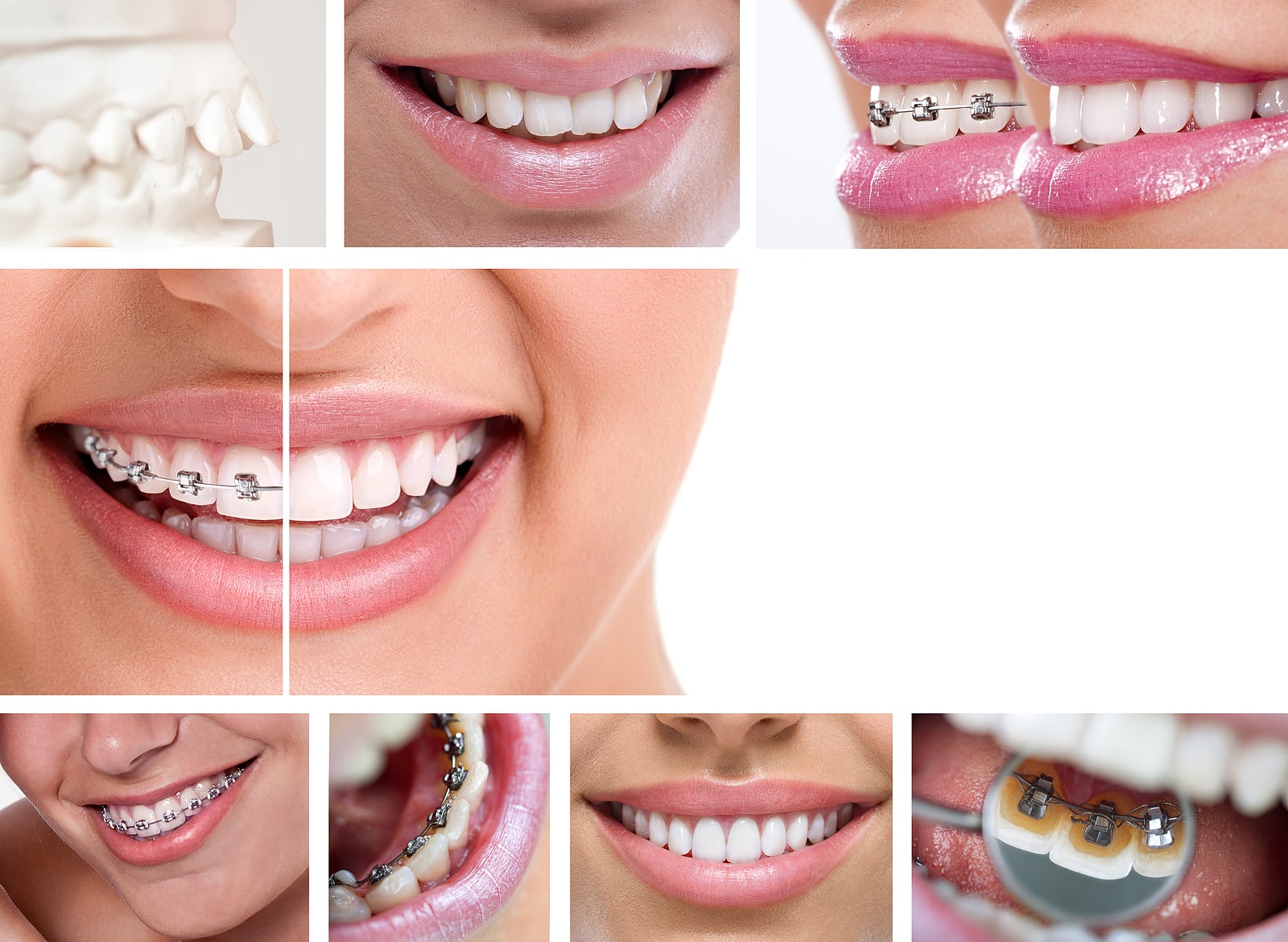
Braces move teeth into healthier positions, but the bone and surrounding tissues need time to stabilize. Once braces are removed, teeth are no longer held in place by brackets and wires. This natural release can allow movement if nothing supports the new positions.
Several factors contribute to post-treatment movement. Common reasons include natural aging , bite pressure, and changes in the jaw over time. Teeth alignment can also shift due to habits like clenching, grinding, or inconsistent retainer use.
Even small changes can affect comfort and appearance. Minor movement may lead to crowding, spacing, or bite imbalance. This is why retention is not optional after orthodontic treatment, but a necessary part of maintaining long-term results.
How Orthodontic Retainers Keep Teeth in Place
After braces come off, teeth are not fully settled in their new positions. The surrounding bone is still adapting. Orthodontic retainers hold teeth steady during this transition and help prevent unwanted movement.
There are different types of retainers designed to maintain alignment:
- Clear removable retainers that fit snugly over the teeth
- Hawley retainers are made of acrylic and wire
- Fixed retainers bonded behind the front teeth
Each option serves the same purpose. It keeps teeth from drifting while the bone and soft tissue stabilizes. Consistent wear is what protects the progress made during treatment.
What Happens When You Stop Wearing Your Retainer Too Soon
It is common to feel finished once braces are removed. However, stopping retainer use early can take months or years of treatment. Teeth do not stay in place on their own.
Teeth shifting after orthodontic treatment can begin sooner than many people expect. Even missing a few weeks of consistent wear may allow small gaps or crowding to return. These early changes are not always obvious at first.
Over time, minor shifts can affect your bite and overall comfort. Some patients may need additional treatment to correct relapse. Wearing your retainer as instructed helps avoid unnecessary setbacks and protects your investment in your smile.
Building a Healthy Retainer Wear Schedule
The way you wear your retainer changes over time. Most patients begin with full-time wear after braces are removed. As the teeth stabilize, the schedule often shifts to nighttime use only.
A typical retainer wear schedule may include:
- Full-time wear for the first few months, removing it only to eat and brush
- Gradual transition to nighttime wear as advised by your orthodontist
- Long-term nighttime use to maintain results
Consistency matters more than convenience. Skipping nights can allow subtle movement to begin. Following the recommended schedule helps preserve alignment and reduces the risk of needing retreatment later.
Life After Braces: How Long Retainers Are Really Needed
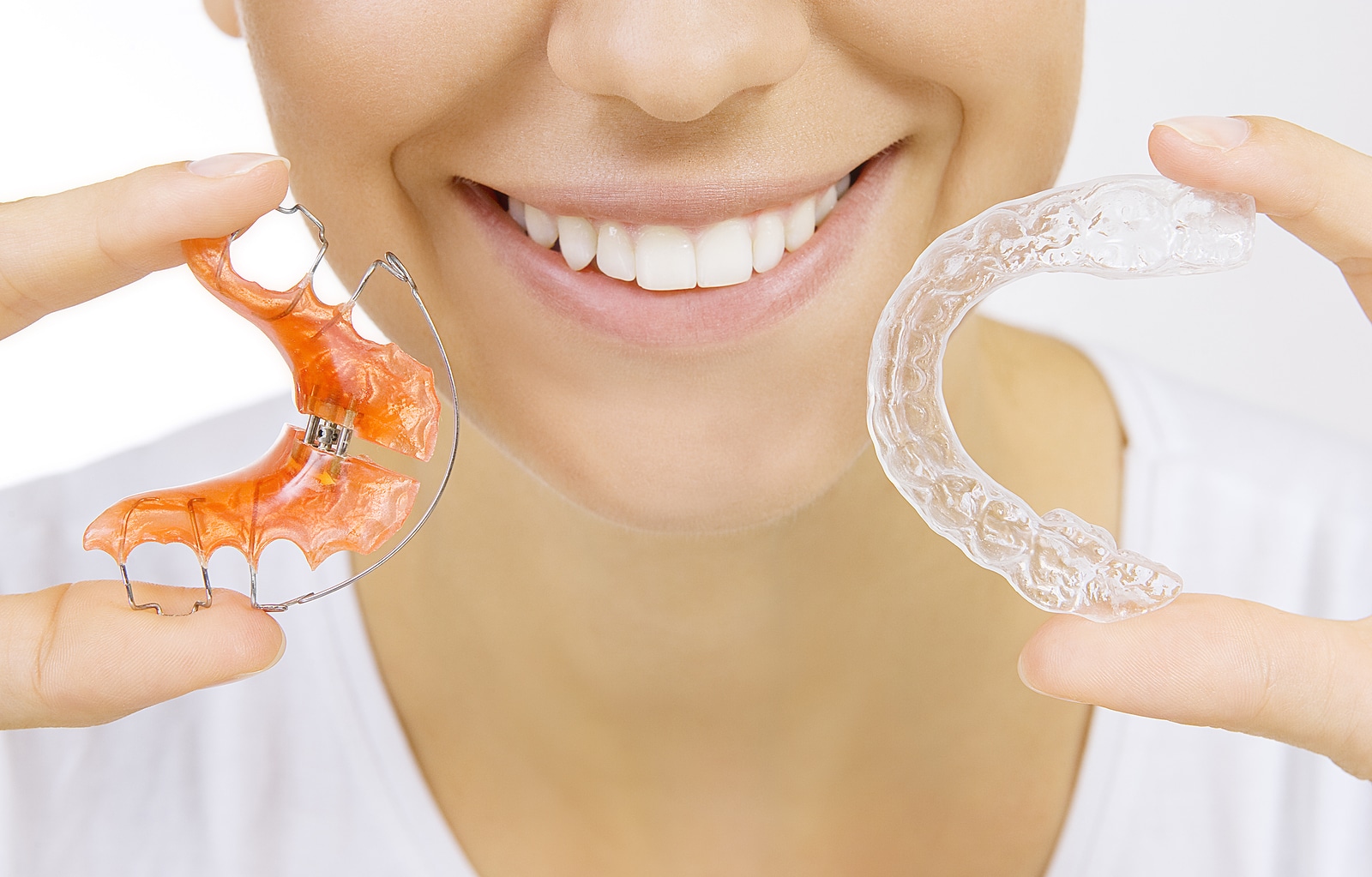
Many patients assume retainers are only necessary for a short period. In reality, teeth can continue to move throughout adulthood. Long-term retention is often the key to preserving results.
Retainers after braces in Pearland are commonly recommended for extended use, especially at night. The exact timeline depends on age, original bite concerns, and how the teeth respond after treatment. Some patients require lifelong nighttime wear to maintain stability.
Common Mistakes That Can Shorten the Life of Your Retainer
Retainers are durable, but they are not indestructible. Small habits can weaken the material or change the fit over time. Damage often happens gradually, not all at once.
Common mistakes include:
- Wrapping a retainer in a napkin and accidentally throwing it away
- Cleaning it with hot water, which can warp the plastic
- Leaving it exposed where pets can reach it
Proper storage and gentle cleaning make a difference. Using a protective case and following care instructions helps your retainer last longer and continue supporting stable teeth alignment.
Frequently Asked Questions About Retainers
How often should I replace my retainer? Most removable retainers last several years with proper care. Your orthodontist will let you know if wear, cracks, or looseness mean it is time for a replacement.
Can I eat while wearing my retainer? Removable retainers should be taken out before eating. Food and heat can damage the material and affect the fit.
What should I do if my retainer feels tight? A tight retainer can be a sign that your teeth have started to move. Contact your orthodontist promptly so they can evaluate the fit and recommend next steps.
Wearing retainers after braces becomes part of routine oral care. It does not take much time, but it protects years of orthodontic effort. Staying consistent helps ensure your smile looks the same long after treatment is complete.
Supporting Long-Term Smile Results at G Orthodontics in Pearland & West U
At G Orthodontics , we believe your smile deserves protection long after braces or aligners come off. Led by Dr. Yesenia García, a board-certified orthodontist with over 20 years of experience, our team provides personalized care for kids, teens, and adults using metal braces, clear braces, Invisalign, in-house clear aligners, and more. Retention is an essential part of treatment, and we guide every patient through proper retainer use to help maintain beautifully aligned results for years to come.
We proudly serve families in Pearland, West U, River Oaks, Bellaire, Shadow Creek, Missouri City, and surrounding Houston communities. With flexible payment plans, bilingual care, advanced technology, and a welcoming atmosphere, we make it convenient and affordable to protect your investment in your smile.
If you have questions about retainers or need a follow-up visit, book your free consultation with our team today.