
Habit appliances are orthodontic devices designed to gently discourage thumb sucking and guide proper oral development in children before long-term issues develop.
Parents notice it early. A thumb at bedtime. A habit during stress. It feels harmless at first, but over time, it can affect how a child’s teeth and jaw develop. That’s where habit appliances used in Pearland become important in orthodontic care. These oral habit appliances are built to interrupt the cycle without causing fear or discomfort. This guide explains when thumb sucking becomes a concern, how these devices work, and what steps actually make a difference.
Understanding Thumb Sucking Prevention in Early Childhood
Thumb sucking starts as a natural reflex. Infants use it to self-soothe, and many grow out of it on their own. The concern arises when the habit persists beyond the early developmental years. At that point, the pressure from the thumb can begin to shape the mouth in ways that are not ideal.
Prolonged thumb sucking can lead to several changes that are difficult to reverse without treatment:
- Misalignment of the front teeth
- Changes in the shape of the upper jaw
- Bite issues, such as an open bite
Thumb sucking prevention becomes critical once these patterns begin to show. Early action can help reduce the need for more complex treatment later and helps protect normal growth.
Parents often assume children will stop on their own, but that is not always the case. Some habits become deeply ingrained, especially when tied to comfort or routine. Addressing the behavior early, with the right guidance and support, creates a smoother path toward healthy dental development.
Why Pediatric Orthodontics Plays a Key Role in Habit Correction
Children’s oral habits do not exist in isolation. They directly affect how teeth erupt, how the jaw develops, and how the bite aligns over time. Pediatric orthodontics focuses on identifying these issues early and correcting them before they become structural problems. This approach gives children a better chance at stable, long-term results.
An orthodontist evaluates more than just the habit itself. The process includes:
- Reviewing dental development and growth patterns
- Identifying early signs of misalignment or bite issues
- Recommending treatment based on age and severity
- Monitoring progress and adjusting care as needed
This level of oversight matters. Early intervention reduces the likelihood of complex treatments later and helps guide the teeth into healthier positions while the child is still growing.
When thumb sucking continues unchecked, it can interfere with natural development. Pediatric orthodontics provides a structured way to address both the habit and its effects. It focuses on correction, not just observation. That distinction is what makes early care more effective.
How Oral Habit Correction Supports Healthy Development
Oral habits like thumb sucking, tongue thrusting, or prolonged pacifier use can influence how a child’s teeth and jaw develop. When these habits persist, they create pressure that shifts teeth out of alignment and affects bite formation. Addressing them early helps keep growth on track.
Oral habit correction focuses on interrupting the behavior and supporting natural development. This can involve structured approaches such as guidance, reminders, and in some cases, orthodontic appliances. The goal is not to punish the habit but to guide the child toward healthier patterns.
Consistent correction leads to measurable benefits over time.
- Improved tooth alignment
- Reduced risk of bite problems
- Better jaw development
- Fewer complications in future orthodontic care
Children respond well when the intervention is clear and consistent. Waiting too long allows habits to become more deeply rooted. Early correction can help make treatment simpler and outcomes more consistent
Signs Your Child May Need Habit Appliances
Some habits are easy to overlook at first, but the signs become clearer over time. Parents often notice changes in their child’s teeth before they realize a habit is the cause. Paying attention to these early indicators helps prevent long-term complications.
Common signs include: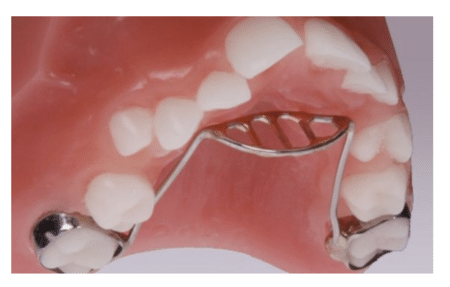
- Front teeth that begin to tilt outward
- An open gap when the mouth is closed
- Frequent thumb or finger sucking beyond early childhood
- Changes in speech patterns or difficulty pronouncing certain sounds
- Noticeable changes in bite alignment
Child dental development is sensitive to repeated pressure from habits like thumb sucking. When the habit continues, it can affect how permanent teeth come in and how the jaw grows. That is where habit appliances come in. These devices are designed to gently discourage the habit and protect proper alignment during growth.
The right time to act is before the habit causes permanent changes. Early evaluation allows an orthodontist to determine if intervention is needed and what type of approach will be most effective. Waiting often leads to more complex treatment later.
What to Expect from Interceptive Orthodontic Treatment
Interceptive orthodontics focuses on guiding growth while a child is still developing. This approach allows orthodontists to address habits like thumb sucking along with early alignment concerns. Treatment at this stage is less about correction after the fact and more about preventing future problems.
In many cases, habit appliances are part of the treatment plan. These devices are placed to discourage thumb sucking and reduce the pressure that affects tooth positioning. They are designed to be safe, fixed in place, and low-maintenance. Children adjust to them over time, and the appliance does the work quietly in the background.
A typical process may include:
- Initial evaluation and digital imaging
- Custom treatment planning based on the child’s needs
- Placement of the appliance if recommended
- Periodic check-ins to monitor progress
Interceptive orthodontics allows small issues to be managed before they grow into larger concerns. It supports healthy development and helps guide teeth into better positions while growth is still active.
Frequently Asked Questions About Thumb Sucking and Habit Appliances
At what age should thumb sucking stop? Most children stop on their own between the ages of 2 and 4. If the habit continues beyond that, it may start affecting dental development and should be evaluated.
Are habit appliances uncomfortable for children? Habit appliances are designed to be gentle and safe. Most children adapt within a short time and experience minimal discomfort after the initial adjustment period.
How long does treatment with habit appliances take? Treatment time varies based on the child and the severity of the habit. In many cases, results can be seen within a few months of consistent use.
Can thumb sucking really change a child’s teeth? Yes. Prolonged thumb sucking can affect tooth alignment, jaw growth, and bite structure. Early intervention helps reduce or prevent these changes.
Do habit appliances require special care? They require routine dental hygiene, but not complicated maintenance. Regular brushing and scheduled orthodontic visits are usually enough to keep everything on track.
Get to Know the G Orthodontics Team!
At G Orthodontics , we focus on helping patients build healthy, confident smiles through personalized orthodontic care. Our team provides treatment for children, teens, and adults, including habit appliances, braces , and clear aligners. We serve families in Pearland, West U, Houston, River Oaks, Bellaire, Missouri City, and surrounding communities, and we take pride in offering care that is both advanced and approachable. With years of experience and board-certified expertise, we design treatment plans that are built around each patient’s needs and goals.
We also understand that convenience matters. That’s why we offer flexible scheduling, insurance support, and payment options that make orthodontic care more accessible for families. Our team works closely with every patient to ensure a smooth experience from the first visit to the final result. If you are considering treatment for your child or have concerns about thumb sucking, we encourage you to visit us for an evaluation.
Book your free consultation today and take the next step toward a healthier smile.