
Sleep apnea appliances are custom oral devices worn during sleep to keep the airway open. They work by gently repositioning the jaw to keep breathing steady through the night.
Poor sleep affects more than energy levels. It can affect mood, focus, and long-term health. Many people who experience loud snoring, morning fatigue, or frequent nighttime awakening may be dealing with sleep apnea. For many patients, sleep apnea appliances that Pearland orthodontic providers offer can help reduce airway blockage without bulky equipment. These dental devices support healthier breathing during sleep and can improve comfort for both the patient and their partner. This guide explains how orthodontic sleep appliances work and how they can help improve nighttime breathing and overall sleep quality.
How Orthodontic Devices Support Snoring Treatment
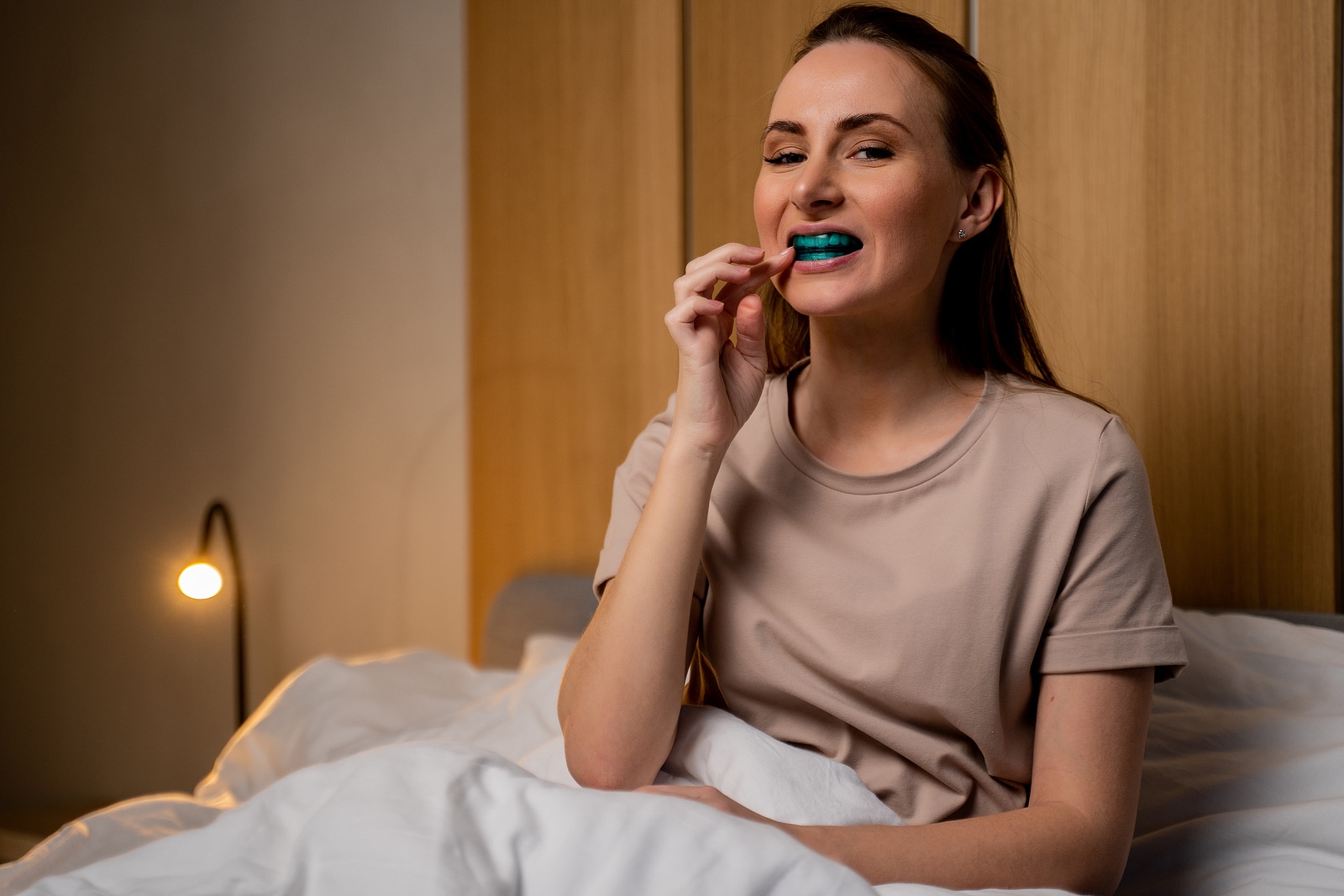
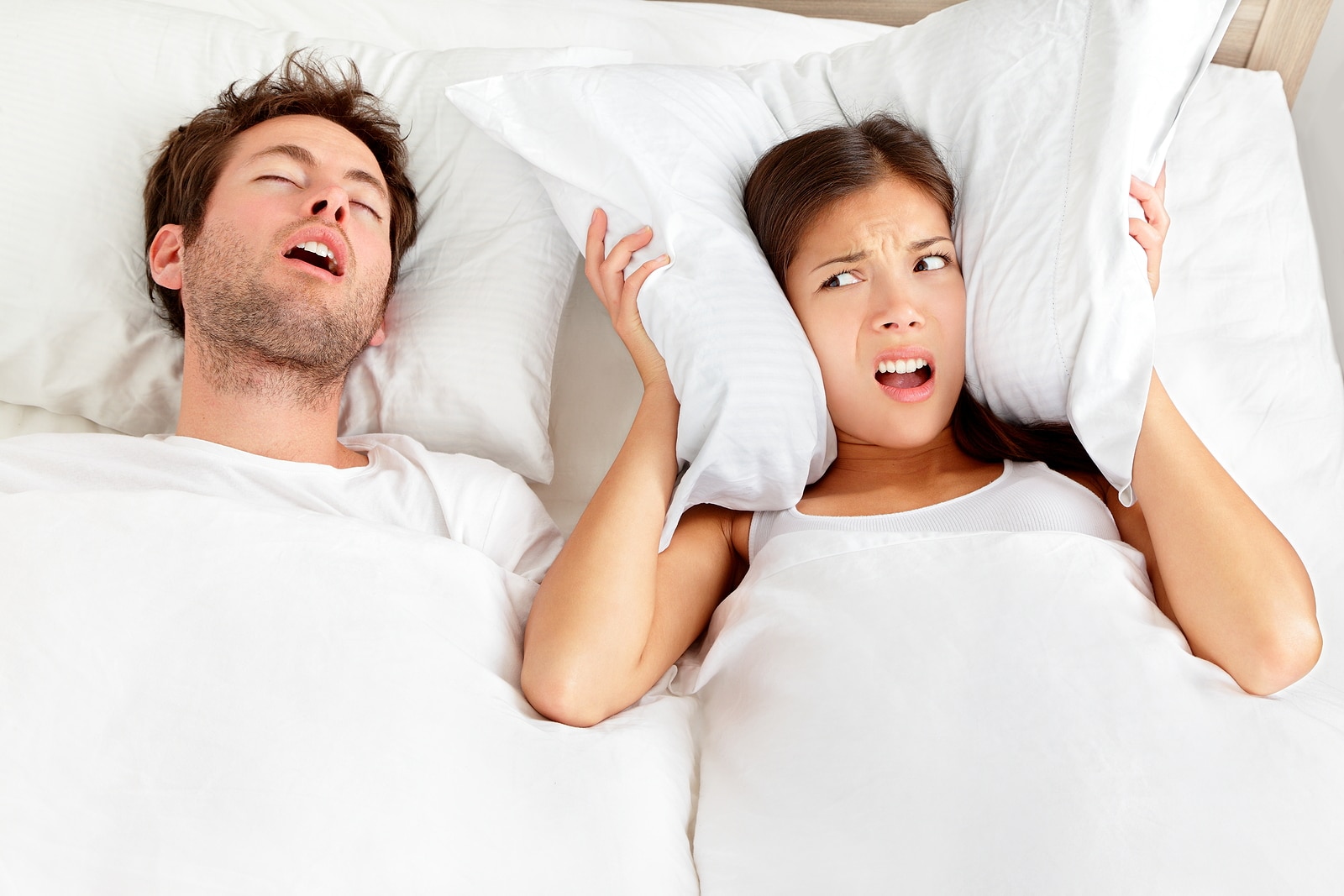
Snoring happens when airflow becomes partially blocked during sleep. The tissues in the throat vibrate as air moves through a narrowed airway, creating the familiar sound many households deal with at night. In some cases, the cause is simple congestion. In other cases, the position of the jaw and tongue plays a major role in restricting airflow. Orthodontic sleep appliances are designed to address this structural issue by gently repositioning the lower jaw during sleep.
Several factors can contribute to nighttime airway obstruction. Common examples include:
- Relaxed throat muscles during deep sleep
- A lower jaw that naturally sits too far back
- The tongue falls backward and blocks airflow
- Narrow dental arches that reduce airway space
Because of these factors, many orthodontists incorporate dental appliances as part of a broader snoring treatment plan that focuses on improving airway stability during sleep.
These devices are custom-made after a detailed dental evaluation. The appliance holds the jaw slightly forward, which creates more space in the airway. With better airflow, breathing becomes more consistent throughout the night. Patients often report quieter sleep, fewer disruptions, and improved rest after consistent use of the device.
Types of Oral Sleep Devices Used for Sleep Apnea
Orthodontic sleep appliances are designed to improve airflow by adjusting the position of the jaw during sleep. While all devices aim to keep the airway open, there are a few common types used depending on the patient’s needs and diagnosis.
- Mandibular Advancement Devices (MADs) These are the most commonly used appliances. They work by gently moving the lower jaw forward, which helps keep the airway open and reduces the risk of obstruction during sleep.
- Tongue Retaining Devices (TRDs) These devices hold the tongue in a forward position to prevent it from falling back and blocking the airway. They are less commonly used but may be recommended in certain cases.
- Custom-Fit Oral Appliances These are designed specifically for the patient using digital scans or impressions. Custom devices provide a more precise fit, better comfort, and improved long-term effectiveness compared to over-the-counter options.
Each type is selected based on the patient’s airway structure, sleep condition, and overall treatment goals. An orthodontist will determine the most appropriate option after a detailed evaluation.
Understanding How Oral Sleep Devices Work
Sleep apnea often occurs when the muscles in the throat relax during sleep and allow the airway to collapse or narrow. When this happens, breathing may stop briefly and restart several times during the night. Dental sleep appliances are designed to prevent this collapse by keeping the lower jaw in a forward position. This small adjustment helps maintain space in the airway so air can move freely.
Many patients choose oral sleep devices because they are compact and simple to use compared with other treatment options. These appliances are created using dental impressions or digital scans to ensure a precise fit. Some of the key advantages include:
- Small and comfortable design
- Easy to wear while sleeping
- Portable for travel
- Quiet operation compared with CPAP machines
Consistent use can improve airflow and reduce breathing interruptions throughout the night. Orthodontists also monitor the appliance over time and make small adjustments if needed. This helps maintain comfort while ensuring the device continues to support healthy breathing patterns during sleep.
Who Can Benefit from a Sleep Apnea Mouthpiece
Sleep apnea does not affect only one type of patient. Many adults live with symptoms for years before seeking treatment. In many cases, the condition develops gradually as airway muscles relax more during sleep or as jaw positioning contributes to reduced airflow. Dental professionals often recommend oral appliances for patients with mild to moderate obstructive sleep apnea who want an alternative to larger breathing equipment.
Several warning signs can indicate a sleep-related breathing problem:
- Loud or frequent snoring during sleep
- Persistent daytime fatigue
- Waking up with headaches or a dry mouth
- Difficulty concentrating during the day
For patients experiencing these symptoms, a sleep apnea mouthpiece may help improve breathing by holding the lower jaw in a slightly forward position throughout the night.
Diagnosis typically begins with a sleep evaluation, which may involve a home sleep test or a referral from a physician. Once sleep apnea is confirmed, an orthodontist can determine if a dental appliance is appropriate. Custom devices are designed to fit comfortably while helping maintain a more open airway during sleep.
Oral Sleep Devices vs CPAP Machines: Key Differences
Both oral sleep devices and CPAP machines are used to treat sleep apnea, but they work in different ways and offer different experiences for patients.
- How They Work Oral sleep devices reposition the lower jaw to keep the airway open. CPAP machines use continuous air pressure to prevent the airway from collapsing during sleep.
- Comfort and Fit Oral appliances are small, custom-fit, and worn like a mouthguard. CPAP machines require a mask, tubing, and a bedside unit, which some patients find uncomfortable.
- Ease of Use Oral devices are simple to wear and easy to maintain. CPAP machines involve more setup and regular cleaning of multiple components.
- Portability Oral appliances are compact and travel-friendly. CPAP machines are bulkier and may be less convenient for travel.
- Best Use Cases CPAP therapy is often recommended for moderate to severe sleep apnea. Oral sleep devices are commonly used for mild to moderate cases or for patients who cannot tolerate CPAP.
An orthodontist or sleep specialist can help determine which option is most appropriate based on your diagnosis and comfort preferences.
Advantages of Oral Appliance Therapy for Sleep Apnea
Many patients look for treatment options that improve sleep without adding discomfort or complexity to their nighttime routine. CPAP machines are effective for many people, but some patients find them difficult to use every night. Dental appliances provide another option that focuses on improving airflow by adjusting the position of the lower jaw during sleep.
Patients who choose this treatment often report several noticeable benefits:
- More comfortable sleep without bulky equipment
- Reduced snoring and nighttime breathing interruptions
- Easier travel since the appliance is small and portable
- Simpler daily maintenance compared with larger devices
For patients diagnosed with mild or moderate sleep apnea, oral appliance therapy for sleep apnea can provide consistent airway support while remaining comfortable enough for nightly use.
Orthodontists also design these appliances to fit the patient’s bite and jaw structure. When created correctly, sleep apnea appliances Pearland providers offer can support better breathing while maintaining comfort over long periods of use. Regular follow-up visits help ensure the device continues to function properly and fits well.
Choosing the Right Custom Dental Device for Better Sleep
Over-the-counter mouthguards may seem convenient, but they rarely address the underlying cause of sleep apnea or chronic snoring. Custom dental appliances are created using detailed impressions or digital scans of the patient’s teeth and jaw. This process allows the orthodontist to design a device that fits securely and positions the jaw correctly during sleep.
Getting a professionally made appliance usually involves a few simple steps:
- A sleep evaluation or diagnosis from a healthcare provider
- Dental scans or impressions to capture the exact bite
- Fabrication of the appliance based on those measurements
- Follow-up visits to adjust the fit if needed
During treatment, a custom dental device for snoring works by keeping the lower jaw slightly forward, which helps prevent the tongue and soft tissues from blocking the airway.
Because each patient’s airway structure and bite are different, personalized appliances often provide better comfort and long-term results than generic devices. Many patients find that the sleep apnea appliances Pearland orthodontic practices provide are easier to wear consistently, which plays an important role in maintaining effective treatment over time.
Frequently Asked Questions About Sleep Apnea Appliances
What are sleep apnea appliances?
Sleep apnea appliances are custom oral devices worn during sleep to help keep the airway open. They work by gently moving the lower jaw forward, which reduces airway blockage and supports steady breathing throughout the night.
Do dental appliances really help with snoring?
Yes. Many cases of snoring occur when the airway becomes partially blocked during sleep. A properly fitted oral appliance helps keep the airway open, which can reduce or eliminate snoring in many patients.
Are sleep apnea appliances comfortable to wear?
Most patients adjust to them quickly because they are made specifically for their teeth and bite. The custom design helps the appliance stay in place while minimizing pressure on the jaw and teeth.
How long does it take to get used to wearing one?
Some patients adjust within a few nights, while others may need a few weeks. Follow-up visits allow the orthodontist to adjust the device if needed to improve comfort and effectiveness.
How long do these appliances usually last?
With proper care and regular checkups, many custom oral appliances last several years. Dentists and orthodontists monitor wear and make adjustments to ensure the device continues supporting healthy sleep.
Get Better Sleep with Help from the Team at G Orthodontics
At G Orthodontics, we focus on helping our patients achieve healthier sleep and confident smiles through personalized orthodontic care. Our team offers a wide range of treatments, including braces, clear aligners, TMJ care, and sleep apnea appliances that Pearland patients use to support steady breathing at night. We combine advanced technology with careful treatment planning to create solutions that are both effective and comfortable.
We serve patients from Pearland, West University, River Oaks, Bellaire, Missouri City, and nearby communities. Our goal is to make orthodontic care convenient and affordable. We offer flexible payment plans and a bilingual team to ensure patients feel supported at every step.
If you want to improve your sleep and overall oral health, call us today to schedule your free consultation with G Orthodontics and learn how our custom orthodontic solutions can help you rest more comfortably each night.