
TMJ treatment options can range from simple solutions like nightguards to advanced care such as Botox injections, all designed to reduce pain and improve how your jaw moves.
Jaw discomfort can start small and slowly interfere with daily life. You might notice clicking when you chew, soreness when you wake up, or tension that does not fully go away. Many people ignore these signs until the pain becomes difficult to manage. TMJ treatment or options in Houston focus on identifying the cause of the problem and using the right approach to restore comfort and function, from conservative care to more advanced solutions.
What Causes TMJ Disorders and How They Affect Jaw Pain Relief
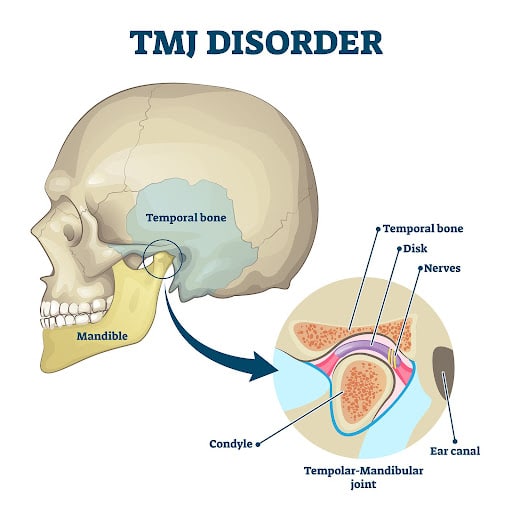
The temporomandibular joint connects your lower jaw to your skull and supports movements like chewing and speaking. When this joint is strained or misaligned, it can lead to discomfort that spreads beyond the jaw. Common causes include teeth grinding, bite issues, injury, or chronic muscle tension. These factors can place stress on the joint and surrounding muscles over time.
Several habits and conditions can make symptoms worse:
- Clenching or grinding your teeth, especially during sleep
- Poor bite alignment that places uneven pressure on the joint
- Stress that leads to tight jaw muscles
As these issues continue, they can affect how your jaw moves and feels throughout the day. Addressing the root cause is important for long-term jaw pain relief, since treating only the symptoms may not prevent the problem from returning.
Comparing TMJ Treatment Options: Nightguards vs Botox vs Physical Therapy
Choosing the right TMJ treatment depends on symptom severity, cause, and how long you need relief. Here’s a quick comparison:
- Nightguards
- Cost: $300 – $1,500 (custom)
- Best for: Mild to moderate cases
- Results: Ongoing with nightly use
- Botox
- Cost: $300 – $800 per session
- Best for: Moderate to severe muscle tension
- Results: Lasts about 3 to 4 months
- Physical Therapy
- Cost: $100 – $250 per session
- Best for: Mild to moderate movement issues
- Results: Improves gradually over several weeks
Nightguards help protect teeth and reduce grinding, Botox relaxes overactive jaw muscles, and physical therapy improves movement and function.
Nightguards as a First Step in Non-Surgical TMJ Treatment
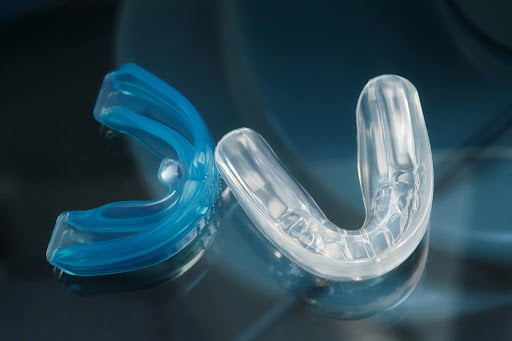
Nightguards are among the most common methods to reduce stress on the jaw during sleep. They are designed to create a barrier between the upper and lower teeth, which helps limit grinding and clenching. By reducing this pressure, the jaw muscles can relax, and the joint has a chance to recover overnight.
Different types of nightguards are available, and the right option depends on your needs:
- Custom nightguards made by a dental provider for a precise fit
- Over-the-counter options that offer a quick, lower-cost solution
- Soft or hard materials, based on the level of grinding
Many patients start with nightguards as a non-surgical TMJ treatment because they are simple, low-risk, and easy to use. While they may not correct every underlying issue, they can play a key role in reducing symptoms and protecting the teeth from further damage.
When to Consider Advanced TMJ Treatment Options
Some patients find relief with simple approaches, but others continue to deal with pain or limited jaw movement. If symptoms last for weeks, worsen over time, or interfere with eating and speaking, it may be time to look at more advanced care. Ignoring ongoing discomfort can lead to more strain on the joint and surrounding muscles.
A provider will usually begin with a detailed evaluation. This may include examining your bite, checking jaw movement, and reviewing imaging when needed. These steps help identify the cause of the problem and guide the next stage of care.
Advanced TMJ treatment options focus on reducing inflammation, relaxing overworked muscles, and improving joint function. These may include physical therapy, prescription treatments, or targeted procedures when conservative methods are no longer enough.
How Long Does TMJ Treatment Take?
The timeline for TMJ treatment depends on the cause of your symptoms and the type of care you receive. Some patients notice relief quickly, while others need more time to see lasting improvement.
For mild cases, nightguards can reduce discomfort within a few days to a couple of weeks as the jaw muscles begin to relax. Physical therapy may take several weeks since it focuses on gradually improving movement and reducing tension. More advanced options like Botox can provide relief within a few days, with results typically lasting a few months.
Long-term improvement often depends on addressing the underlying cause, not just the symptoms. Consistent use of treatment and regular follow-ups help ensure that progress continues and discomfort does not return.
How Botox for TMJ Helps Relax Jaw Muscles
Botox works by temporarily reducing muscle activity in targeted areas. When used for TMJ concerns, it is injected into the jaw muscles that are overactive from clenching or grinding. This helps lower the pressure placed on the joint and allows the muscles to relax.
Patients often notice several changes after treatment:
- Less tension in the jaw muscles
- Reduced teeth grinding, especially at night
- Improved comfort when opening and closing the mouth
Botox for TMJ is not a permanent fix, but it can provide meaningful relief for patients who have not improved with other treatments. Results typically last a few months, and repeat treatments may be recommended based on how your symptoms respond.
Finding the Right TMJ Treatment in Houston for Lasting Relief
Finding the right approach starts with understanding what is causing your symptoms. TMJ issues can come from muscle strain, joint problems, or bite alignment. Each case is different, so treatment should be based on a clear diagnosis rather than guesswork.
Your provider will look at several factors before recommending care. These may include how long you have had symptoms, how severe the discomfort is, and how your jaw moves during daily use. Lifestyle habits like grinding or clenching also play a role in choosing the right direction for treatment.
A well-planned TMJ disorder treatment approach focuses on both relief and long-term stability. The goal is not just to reduce pain, but to improve how the joint functions so symptoms are less likely to return.
Frequently Asked Questions About TMJ Treatment Options
What are common signs of a TMJ problem? Jaw pain, clicking or popping sounds, difficulty opening the mouth, and frequent headaches are common signs. Some people also feel tension in the face or neck.
Do nightguards actually help with TMJ pain? Yes. Nightguards can reduce grinding and limit pressure on the jaw. This helps the muscles relax and protects the teeth from damage.
Is Botox for TMJ safe? Botox is considered safe when performed by a trained provider. It is used in controlled doses and targets specific muscles to reduce tension.
How long does it take to feel relief from TMJ treatment? Some patients feel improvement within a few days, especially with muscle-related treatments. Others may need a few weeks, depending on the cause and severity.
Can TMJ be permanently cured? TMJ disorders can often be managed effectively, but a permanent cure depends on the cause. Some cases improve fully with the right treatment, especially if they are related to muscle tension or minor bite issues. Other cases may require ongoing care to keep symptoms under control and prevent them from returning.
Can TMJ issues go away without treatment? Mild cases may improve on their own, but ongoing symptoms often require care. Early treatment can help prevent the condition from getting worse.
What is the cost of TMJ treatment in Houston? The cost of TMJ treatment in Houston varies based on the type of care. Nightguards may cost a few hundred to over a thousand dollars, while Botox and physical therapy are typically priced per session. A consultation can provide a more accurate estimate for your case.
Get Expert TMJ Care at G Orthodontics in Houston
At G Orthodontics, we focus on helping you find real relief through care that is based on your specific needs. Our team uses modern technology and a personalized approach to provide TMJ treatment that Houston patients trust for both comfort and long-term results. We offer a range of options, from nightguards to more advanced solutions, so you are not limited to a single type of care.
We proudly serve patients across Pearland, West University, and nearby Houston communities, making treatment convenient and accessible. Our goal is to make each visit simple, clear, and focused on your progress.
If you are dealing with ongoing jaw discomfort, call our office today to schedule your free consultation and explore the right TMJ treatment options for you.